

When it comes to tropical paradise getaways, few places on Earth rival the beauty and charm of Hawaii. With its golden beaches, lush rainforests, breathtaking volcanoes, and welcoming aloha spirit, the islands have become a dream destination for travelers worldwide. But even paradise has its seasons. While Hawaii boasts pleasant temperatures all year, knowing the best time to visit Hawaii can help you enjoy the islands at their finest—whether you prefer fewer crowds, cheaper rates, or the best weather for outdoor adventures.
Each season brings its own unique experiences, from winter whale watching to summer surf competitions and fall festivals. Let’s explore when you should plan your Hawaiian vacation and what each time of year offers.
When to Visit Hawaii?
Winter (December – February)
Winter in Hawaii isn’t cold like on the mainland—it’s warm, breezy, and full of life. Average daytime temperatures hover around 78°F (25°C), making it an ideal escape from snow and freezing weather elsewhere. However, it’s also peak tourist season, especially around Christmas and New Year’s.
Pros:
• Whale Watching Season: From December through April, humpback whales migrate to Hawaiian waters. Maui and the Big Island offer some of the best whale-watching opportunities.
• Big Waves: Oahu’s North Shore transforms into a surfer’s paradise with world-famous competitions like the Vans Triple Crown of Surfing.
• Festive Atmosphere: The islands light up during the holidays with parades, luaus, and traditional celebrations.
Cons:
• High Prices: Winter is one of the most expensive times to visit, with increased rates on flights and hotels.
• Crowds: Expect packed beaches and busy attractions, especially in Honolulu and Maui.
• Rain: The north and east sides of the islands see more rainfall, though showers are usually brief.
If you don’t mind higher prices and busier spots, winter in Hawaii is unforgettable—perfect for adventure seekers and those looking to swap snowflakes for sunshine.
Spring (March – May)
Spring offers a delightful balance between great weather and moderate crowds. The trade winds cool the islands, flowers bloom, and the lush landscapes come alive with color.
Pros:
• Ideal Weather: Temperatures stay in the comfortable mid-70s to mid-80s °F range.
• Affordable Rates: After the winter rush, hotel prices and airfares drop significantly.
• Blooming Scenery: It’s the best season for garden lovers, with tropical flowers in full bloom.
Cons:
• Unpredictable Rain: March can still bring occasional showers, though they rarely ruin a trip.
• Ocean Conditions: The water may still be choppy on certain beaches, especially for beginners.
Spring is a wonderful time to hike, explore national parks, and experience Hawaii’s natural beauty without the hustle and bustle of peak season.
Summer (June – August)
Summer is Hawaii’s sunniest and hottest season, making it ideal for family vacations and beach lovers. Average highs reach around 85°F (29°C), and ocean temperatures are at their warmest.
Pros:
• Perfect for Swimming: Calm seas and crystal-clear waters make snorkeling and diving a joy.
• Festivals and Events: Experience Hawaiian culture through hula competitions, parades, and island celebrations.
• Longer Days: More daylight means more time to explore and relax.
Cons:
• Peak Season Crowds: Summer break means more tourists, especially families.
• Higher Costs: Hotels and flights can be pricey during this busy season.
• Heat and Humidity: Expect warm, humid conditions—stay hydrated and wear sunscreen!
For travelers who love vibrant energy and full island life, summer is unbeatable. Just book in advance and be prepared for more people at major attractions.
Fall (September – November)
Fall is often hailed as the best time to visit Hawaii—a sweet spot of excellent weather, smaller crowds, and affordable prices. The water remains warm, skies are clear, and you’ll often find yourself enjoying quieter beaches.
Pros:
• Less Touristy: Kids are back in school, so the islands are calmer.
• Lower Prices: Travel deals are abundant, from discounted resorts to flight sales.
• Fantastic Weather: Still sunny, warm, and ideal for both beach time and hiking.
• Surf Season Begins: The first big waves return to Oahu’s North Shore in late November.
Cons:
• Rain Increases Late Fall: October and November can bring heavier showers, especially on windward sides.
• Shorter Days: Sunset comes earlier, but it’s a great excuse to catch more golden-hour views.
If you want a peaceful, relaxing Hawaiian vacation with the best of everything—fall is your season.
Festivals & Events in Hawaii
To truly experience the culture and spirit of Hawaii, plan your trip around one of its many festivals. These events blend traditional Hawaiian heritage with modern island celebrations.
Aloha Festivals (September)
A statewide celebration of Hawaiian culture, featuring parades, live music, hula performances, and local crafts.
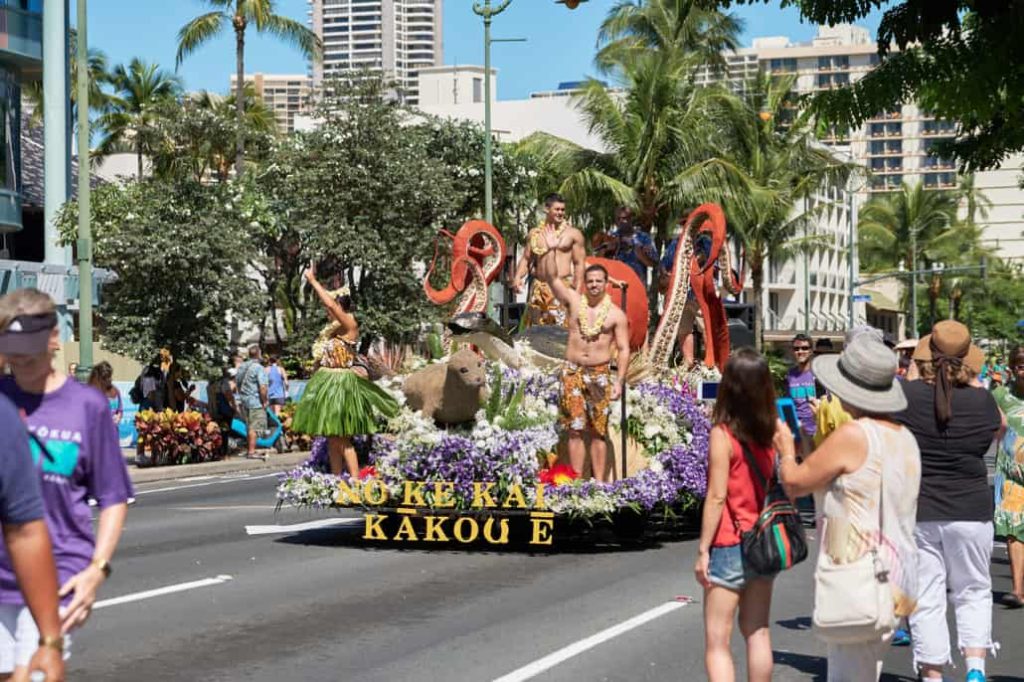
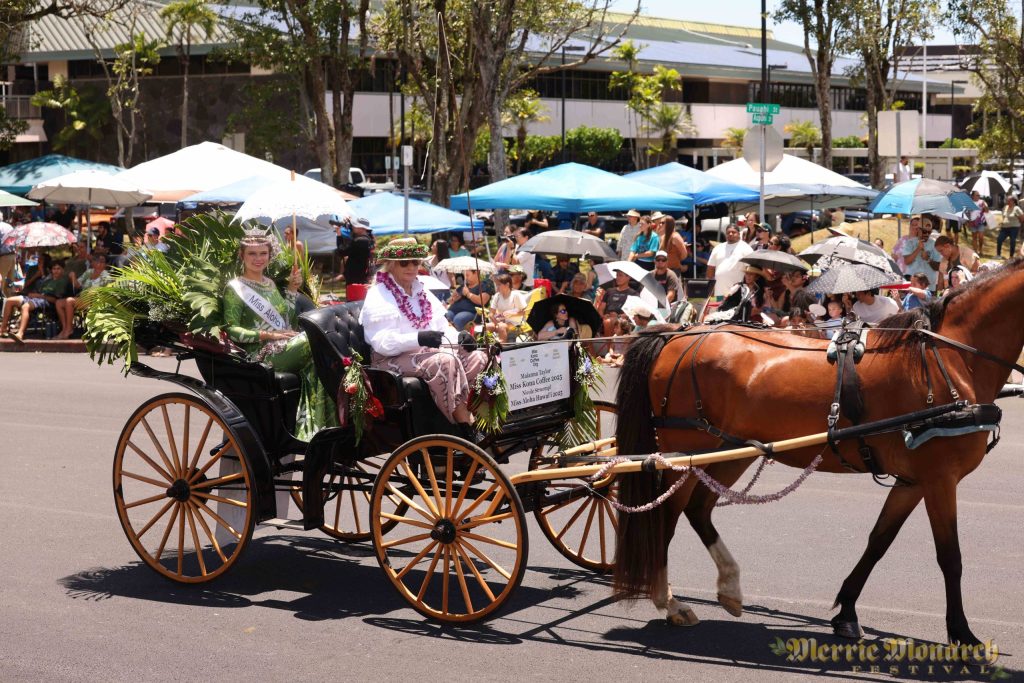
Merrie Monarch Festival (April)
Held in Hilo, this world-renowned event honors King David Kalākaua and showcases the best of hula and Hawaiian art.
King Kamehameha Day (June 11)
Commemorating Hawaii’s first king, this day features floral parades, music, and lei-draped statues across the islands.
Hawaii Food & Wine Festival (October–November)
Hawaii’s top chefs, winemakers, and mixologists gather for tastings, workshops, and beachfront culinary experiences.
These festivals provide not just entertainment but also a deeper connection to Hawaiian traditions and hospitality.
Outdoor Activities in Hawaii by Season
Each season in Hawaii brings new opportunities for adventure and exploration. Here’s a quick guide to what you can enjoy throughout the year:
Winter: Whale watching, big-wave surfing, scenic drives along the Hana Highway, and exploring cultural landmarks.
Spring: Waterfall hikes, snorkeling, kayaking, and visiting botanical gardens.
Summer: Paddleboarding, diving, sunset cruises, and beach picnics.
Fall: Surfing, ziplining, exploring volcanoes, and attending local harvest festivals.
No matter the season, you’ll always find something exciting to do under in Hawaii.
FAQs
What is the best month to visit Hawaii for good weather and fewer crowds?
April, May, September, and October are often considered the best months. You’ll enjoy warm, sunny days with fewer tourists and more affordable accommodation.
What is the cheapest time to go to Hawaii?
The most budget-friendly periods are mid-April to early June and September to mid-December. Airfares and hotel rates tend to drop during these “shoulder seasons.”
Is there a worst time to visit Hawaii?
There’s truly no “bad” time to visit Hawaii. However, if you want to avoid high prices and packed attractions, try not to travel during Christmas, New Year, or midsummer when tourism peaks.
What is the best island to visit in Hawaii for the first time?
Oahu is ideal for first-time visitors—it’s home to Honolulu, Waikiki Beach, and historic sites like Pearl Harbor. You’ll find a perfect mix of adventure, relaxation, and culture.
For nature lovers, Maui offers lush landscapes and scenic drives, while the Big Island promises volcanoes and stargazing. Kauai, known as the “Garden Isle,” is perfect for peaceful escapes and hiking.
Don’t Forget Your eSIM for Your Hawaii Trip
Before you set off on your island adventure, make sure you stay connected the smart way. Instead of juggling local SIM cards or relying on spotty hotel Wi-Fi, get an eSIM to get connected instantly and easily.
With BNESIM’s eSIM for Hawaii , you’ll enjoy:
✓ Affordable local data plans starting from for Hawaii and the U.S.
✓ Flexible plan choices from 30 days, no-expiry to unlimited data plans
✓ 5G high speed internet
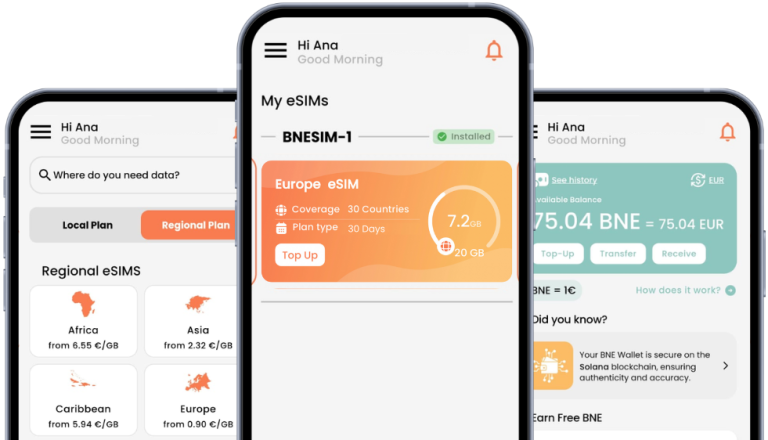
✓ Easy top-ups and central management via the BNESIM app
👉 Install your BNESIM eSIM before your Hawaii trip and enjoy seamless connectivity the moment you land.

Kai Claide
A content creator with a love for the outdoors and pictures. A true beach person at heart, enjoys sunny coastlines, sipping matcha, and making the most out of every adventure. Curious and is always up for something fun.



 English
  Italiano